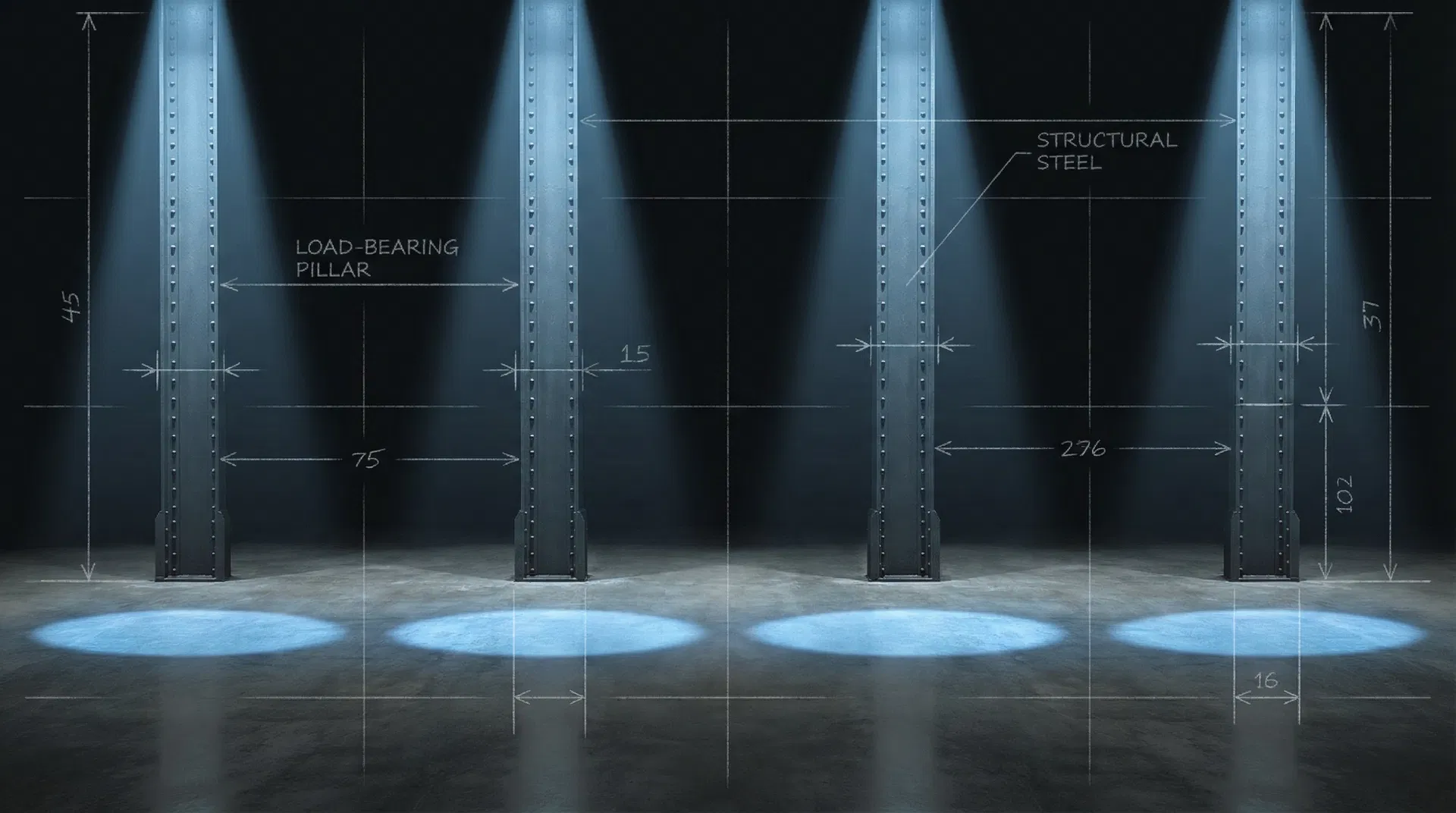
The Framework
The Performance Architecture Model™
A structured, repeatable system built on four pillars — designed to reduce volatility, install discipline, and scale across HVAC operations of any size.
System Design
Built for structure.
Not for motivation.
Pressure Stability
Normalize performance under operational pressure.
Every HVAC company operates under pressure — seasonal demand shifts, customer expectations, equipment failures, staffing gaps. Most companies absorb this pressure through the owner or a few key individuals. Pressure Stability is the structural layer that distributes operational load across the organization, so performance does not degrade when conditions change.
Structural Elements
Conduct Standards
Define and enforce behavioral benchmarks.
Inconsistent technician behavior is the primary driver of close rate volatility. Conduct Standards establish the behavioral baseline that every team member operates within — not as rules to follow, but as structural expectations embedded into daily operations. When conduct is standardized, output becomes measurable and correctable.
Structural Elements
Execution Discipline
Install repeatable processes that hold under load.
Execution Discipline is the operational layer that converts standards into consistent output. It is not about working harder — it is about installing processes that produce reliable results regardless of who executes them. This pillar ensures that performance is system-dependent, not personality-dependent.
Structural Elements
Leadership Control
Transfer operational weight from personality to system.
Most HVAC companies are operationally dependent on the owner. Leadership Control is the structural mechanism that transfers decision-making weight, accountability, and operational authority into the system itself — so the company performs consistently whether the owner is present or not.
Structural Elements
Implementation
The framework is installed, not taught.
Implementation begins with a structured qualification process to assess company size, operational maturity, and readiness for the Performance Architecture Model™.